How I Stopped Fighting Sleep — and Started Working With It
|
|
Temps de lecture 5 min
Vous possédez un compte ?
Connectez-vous pour payer plus vite.

Coussins de grossesse et coussins de corps (formes U, J et C)...
|
|
Temps de lecture 5 min
For a long time, I believed that if I just tried harder, my sleep would fall back into place. Earlier nights. Better habits. More discipline. Eight hours, no exceptions.
But night after night, I found myself waking between 12 and 2am. Not drifting. Not half-awake. Properly awake. And it didn’t seem to matter what time I went to bed. This wasn’t just inconvenient — it disrupted a rhythm that had worked well for most of my adult life.
This pattern didn’t appear out of nowhere. It followed a period of significant physical strain, layered with prolonged life challenges and sustained stress. My body went through something serious. Recovery happened, but sleep never quite returned to what it had been before.
What surprised me most was that nothing else about my life had become chaotic. My routines were stable. My days were structured. And yet, my nights had changed. Over time, it became clear that this wasn’t simply a sleep problem. Sometimes disrupted sleep is the nervous system staying alert long after a demanding season has passed.
To understand why waking between 12 and 2am affected me so much, it helps to know how I was wired before sleep became unsettled. For most of my adult life, I was an early sleeper and an early riser. Waking around 5am was normal for me — and it worked, because I protected my sleep accordingly.
I function best on around 7–8 hours of sleep, and when I got it, my days ran smoothly. Because of that, sleeping earlier was never a struggle. A 9–10pm bedtime felt practical rather than restrictive.
The problem wasn’t waking early. The problem was that this rhythm stopped holding. When waking between 12 and 2am began, sleep became fragmented in a way I couldn’t recover later. Even when I did everything “right”, nights were no longer restorative. That was when my body began to complain — and when it became clear that forcing the old system back wasn’t working.
Sleep naturally becomes lighter as the night progresses, which is why waking during the early hours is more common than many people realise. Research into night waking and fragmented sleep shows that stress and nervous system arousal can make these lighter stages more disruptive.
Stress doesn’t simply disappear when life calms down. The body often holds on to vigilance, and sleep is where that shows up first. Harvard Medical School - Health also explains how stress can contribute to insomnia and disrupted sleep in their overview of stress-related insomnia.
This is why forcing sleep — through rigid rules or pressure — so often backfires. The harder we try to control sleep, the more alert the brain can become. Effort creates tension, and tension is the opposite of rest.
I am still working towards better sleep. I haven’t given up on improvement. But I have stopped fighting my body every night. Instead of forcing sleep back to where it used to be, I chose to work with where my body is now.
Practically, this means I sleep when I’m tired rather than when the clock tells me I should. If I wake and can’t fall back asleep, I don’t lie there spiralling. I start gently and let the day unfold from there. I plan my days around energy where possible, accept that some days will always be imperfect, and adapt rather than punish myself when late nights happen because of family life, commitments, or social events.
A common response to this approach is that it sounds easier if you don’t work a regular 9–5. That’s a fair concern — but working with sleep doesn’t require complete flexibility. If you wake during the night and can’t fall back asleep, one option is to use that quiet time for things you would normally do later, without pressure or urgency.
That might mean pre-cooking meals, prepping lunches, light tidying, folding laundry, organising the next day, or handling small admin tasks. These are low-stimulation jobs that reduce pressure later on and make the day feel more manageable.
If your work environment allows flexible working, starting earlier and finishing earlier may suit you better. If it doesn’t, it may still be worth exploring an earlier start time or a small adjustment with your manager. Not every workplace can accommodate this — but some can, and many people never ask.
Family and social life don’t disappear with this approach; they simply become more intentional. There are times when you stay out later or choose flexibility, knowing you’ll need to make space for rest elsewhere. It’s not about avoiding life — it’s about being realistic.
And if you can afford it, consider whether you can occasionally buy back time — a cleaner, a meal-prep service, or help with tasks that drain energy but don’t add meaning. This isn’t indulgence; it’s practical support.
Working with sleep doesn’t mean giving up on it. I still pay attention to my sleep and notice what helps and what doesn’t. What I’ve stopped doing is letting unsettled nights define how I see myself or dictate how I expect the next day to go.
This approach is a temporary solution that may also become a permanent one — and I’m comfortable with that. Some people find their sleep gradually regularises again. Others settle into a different, but workable, rhythm.
From time to time, I do sleep normally again. When that happens, I’m grateful for it. But I no longer cling to it or fear losing it. And when sleep doesn’t cooperate, the difference now is that I’m not worried.
That’s what I mean when I say I “cheat sleep”. I don’t ignore sleep. I don’t pretend it doesn’t matter. I simply refuse to let it run the show.
Poor sleep doesn’t just show up as tiredness. For me, it often shows up as physical discomfort — particularly in the neck, shoulders, and back. On those nights, the right support makes a tangible difference.
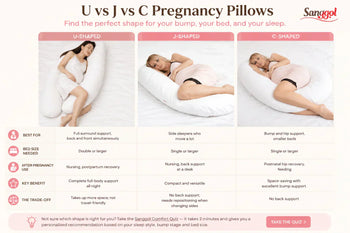
I prefer targeted support that allows movement, which is why I use a J-shaped pillow.
Targeted support:
J-shaped body pillow — supports specific pressure points without feeling restrictive.
Others prefer a more immersive feel, especially if they want consistent full-body support throughout the night.
Full-body support:
U-shaped full body pillow — designed for those who prefer a more contained sleeping position.
I also use an eye mask occasionally. It doesn’t stay on all night, but when light is disruptive, it can still help the body settle.
If disrupted sleep is an ongoing struggle, you might find it helpful to take a broader approach. Our free 7-Day Sleep Comfort Plan focuses on realistic changes that support better rest without pressure or perfection.
If you’re waking during the night, it doesn’t mean you’re doing sleep wrong. It may mean your body is asking for less pressure and more support. Learning to work with sleep rather than against it can make nights — and days — far more manageable, even while things are still in progress.
If sleep disruption feels persistent or overwhelming, structured guidance can help. The NHS overview of insomnia and sleep support is a sensible place to start.
Sometimes the most helpful change isn’t a new rule, but a kinder relationship with rest itself.
2 minutes · Personalised
Not sure which pillow shape suits you?
Answer 5 quick questions about your sleep style, bump stage and bed size — we'll match you to the right pillow.
Take the Comfort QuizU · J · C Shaped
Find the pillow designed for your body
Three shapes, each built for a different sleep style and support need. Free UK delivery and 24-month guarantee included.
Shop Body PillowsFree downloads
Free guides, checklists and sleep plans
Download our free Mum-to-Be hospital bag checklist, birth partner guide and 7-Day Sleep Plan — no purchase needed.
Get the Free GuidesWant to keep reading?
Browse all articles by topic