Napping Isn’t Lazy - It’s Smart | 7 Surprising Benefits
|
|
Time to read 8 min
|
|
Time to read 8 min
We've all felt it — that wall you hit somewhere around 2pm when your brain decides it's done for the day. You're not being lazy. You're not unproductive. You're human. And for most of human history, taking a short rest in the middle of the day was just what people did. The Spanish siesta, the Japanese practice of inemuri — cultures around the world have long understood that a brief pause makes the second half of the day go better.
Science backs this up. A well-timed nap can sharpen your focus, lift your mood, and help you retain information more effectively. The tricky part is knowing how to do it right — because not all naps are equal.
How long you nap matters as much as when you do it. Get it right and you wake up feeling sharp. Get it wrong and you surface feeling worse than before.
Quick naps (10 to 20 minutes)
This is the sweet spot for most people, especially during a workday. A 10–20 minute nap keeps you in the lighter stages of sleep, so you wake up feeling refreshed rather than groggy. It's enough to take the edge off fatigue and reset your concentration without disrupting your night.
Longer naps (60 to 90 minutes)
A longer nap takes you through a full sleep cycle, which can be genuinely restorative — particularly if you're sleep-deprived or recovering from something. The downside is sleep inertia: that heavy, disoriented feeling when you wake from deep sleep. If you go this route, timing matters. Early afternoon works best, and avoid napping after 3pm or you'll pay for it at bedtime.
For most people, the 1–3pm window is naturally when alertness dips — it aligns with your body's circadian rhythm and makes napping easier and more effective. If your schedule allows it, that's your window.
Naps can refresh your mind, but your body still needs deeper support overnight. Discover how full-body pillows promote alignment and all-night comfort for better long-term sleep quality.
Read the Full GuideNaps aren't one-size-fits-all, and the benefits depend on how and when you take them. But across the board, regular short naps have been shown to make a real difference — not just to how you feel in the moment, but to how you function across the day. Here's what you can actually expect.
A short nap isn't an indulgence — it's a practical tool. When energy dips after lunch, pushing through often means slower work and more mistakes. A 15–20 minute nap resets that. You come back quicker, more focused, and less likely to make the kind of small errors that pile up when you're running on fumes. It's no coincidence that companies like Google and Nike have built nap spaces into their offices — because the return on that investment shows up in the work.
Think of a nap as a quick defrag for your brain. After hours of concentrating, processing, and decision-making, mental performance naturally degrades. A short sleep gives your brain a chance to consolidate what it's taken in and clear out the noise. You wake up with better recall, clearer thinking, and more capacity to work through problems. It's not a magic trick — it's just what rest does.
Ever noticed how much more irritable everything feels when you're tired? Small frustrations land harder, patience runs thin, and everything feels slightly more difficult than it should. A nap takes the edge off. Even 15 minutes of proper rest can shift your mood noticeably — you're calmer, less reactive, and generally easier to be around. For anyone juggling a busy day, that reset is genuinely useful.
This one doesn't get talked about enough. When you're exhausted, you're not your best self — in meetings, at home, with your kids, with whoever you share your day with. A short nap doesn't just help you; it helps the people around you. You listen better, snap less, and show up more present. Sometimes the most considerate thing you can do is take 20 minutes to rest before you carry on.
While you nap, your brain is still working — organising and filing the information you've taken in during the day. This process, called memory consolidation, is how short-term experiences get converted into things you actually remember. If you've been in back-to-back meetings, learning something new, or just dealing with a lot of information, a nap helps your brain make sense of it all. You'll recall things more easily and absorb new information more readily afterwards.
Some of the best ideas come from stepping away from a problem. During sleep — even a short nap — your brain makes connections it wouldn't make while you're consciously grinding away at something. That's why you sometimes wake up with a clearer answer to something that felt stuck before. If you're problem-solving, creating, or making decisions, a nap can be more productive than another hour of staring at a screen.
Mental fatigue and physical tiredness feed each other. A nap gives your body a genuine break — muscles relax, tension eases, and you're giving your system a chance to recover from whatever the morning threw at it. For anyone on their feet, dealing with physical discomfort, or simply carrying more than usual, that window of rest matters. You don't need to be unwell to benefit from it — just human.
For many people, the idea of napping at work feels unrealistic — especially in an open office or shared space. But with a little creativity and discretion, it's absolutely possible to rest and recharge without drawing attention or feeling uncomfortable.
1. Find a Quiet Spot
Use a wellness room, break area, or even your car if privacy is limited. Some people rest at their desk with their head down during lunch — it counts.
2. Keep It Short and Subtle
A 10–20 minute power nap is ideal and won't leave you groggy. Use a timer or nap app with a gentle alarm to bring you back without a jolt.
3. Use Props to Your Advantage
A scarf, hoodie, or eye mask makes it easier to actually switch off. Noise-cancelling headphones help block out the room and signal to others that you're not available.
4. Don't Be Afraid to Normalise It
More workplaces are quietly embracing rest as part of a healthy working culture. If anyone asks, "Just taking a few minutes to reset — helps me stay sharp" is all you need to say. Most people wish they were doing the same.
Even in a busy environment, a short intentional rest can make a real difference to how the rest of your day goes.
Knowing you should nap is one thing. Actually doing it — at work, around colleagues, without feeling self-conscious — is another. So first, a word on that.
There is nothing embarrassing about resting during your lunch break. You are not being lazy. You are not slacking. You are doing something your body needs, and you'll do better work for it. If a quiet room is available, use it — but if it isn't, your desk is perfectly fine. Plenty of people nap at their desks every day. A pair of headphones and a hoodie over your head is all the privacy you need. Nobody is judging you as much as you think they are, and the ones who do probably need a nap themselves.
Once you've made peace with that, here's how to get the most out of it:
Try a coffee nap
Drink a coffee immediately before you close your eyes. Caffeine takes around 20–25 minutes to enter your bloodstream, so if you nap for 20 minutes and wake up as it kicks in, you get both benefits at once — the restoration from sleep and the alertness from caffeine. It sounds counterintuitive but it genuinely works.
Sit upright or slightly reclined
Fully lying down pulls you into deeper sleep, which makes waking up harder and leaves you groggy. Sitting slightly reclined — or resting your head forward on your arms at your desk — keeps you in lighter sleep stages so you wake up cleanly.
Block light before sound
Darkness signals sleep to your brain more powerfully than silence does. An eye mask makes a bigger difference than earplugs. If you don't have one, facing into a corner or resting your head under a hoodie does the job.
Set a firm 20-minute timer
The anxiety of oversleeping is often what stops people switching off in the first place. Set your alarm, put your phone face-down, and give yourself permission to actually rest for those 20 minutes. You won't miss anything.
Support your neck properly
If you're napping at your desk or in a chair, your neck takes the strain. A decent neck pillow makes the difference between waking up refreshed and waking up with a stiff neck that undoes everything. The Sanggol Memory Foam Neck Pillow is designed exactly for this — supportive enough to hold your head in a natural position while you rest, compact enough to keep in a desk drawer.
We've put together a collection of free resources to help you sleep, rest, and feel better — no purchase necessary. There's also 20% off your first order and a lot more waiting for you:
— and more.
Explore Our FreebiesA nap works best when it's intentional rather than reactive — something you build in rather than collapse into when you can't carry on. It doesn't need to be long or elaborate. Even 15 minutes in the right conditions makes a difference.
1. Schedule It
Put it in your day like any other commitment. The 1–3pm window works for most people — energy is naturally lower then and a nap will feel easier and do more good.
2. Set Up the Right Conditions
Dim light, something comfortable to rest on, phone on silent. The easier you make it to actually switch off, the more you'll get from the time.
3. Listen to What Your Body's Telling You
If you're consistently hitting a wall mid-afternoon, that's your body asking for something. A short, regular nap is one of the simplest ways to answer that — no special equipment, no routine overhaul. Just rest.
It works best as a habit rather than an emergency measure. Once it's part of your rhythm, you'll notice the difference on the days you don't manage it.
Whether you're recovering, resting, or protecting your posture, the right support makes all the difference. Explore our range of premium body pillows — designed to work with your body, not against it.
Shop the Collection2 minutes · Personalised
Not sure which pillow shape suits you?
Answer 5 quick questions about your sleep style, bump stage and bed size — we'll match you to the right pillow.
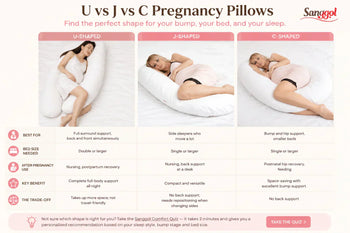
Take the Comfort QuizU · J · C Shaped
Find the pillow designed for your body
Three shapes, each built for a different sleep style and support need. Free UK delivery and 24-month guarantee included.
Shop Body PillowsFree downloads
Free guides, checklists and sleep plans
Download our free Mum-to-Be hospital bag checklist, birth partner guide and 7-Day Sleep Plan — no purchase needed.
Get the Free GuidesWant to keep reading?
Browse all articles by topic