From Africa to Europe: The History and Legacy of Baby Wrap Carrier
|
|
Time to read 8 min
|
|
Time to read 8 min
Babywearing—the practice of carrying a baby close to your body using a cloth, baby wrap, or soft baby carrier—is a timeless tradition that has been integral to parenting across cultures. While modern baby wrap carriers and structured carriers are popular today in the UK, Europe, North America, Australia and other English-speaking regions, the roots of babywearing trace back thousands of years, with profound origins in African societies.
While babywearing has existed in various ancient societies around the world, Africa holds some of the earliest and most enduring traditions. For thousands of years, mothers and caregivers in different African cultures have carried their babies close to their bodies as they moved, worked and travelled, using everyday garments and simple wraps rather than specialised equipment.
At its core, babywearing is about closeness, connection, and practicality. A baby wrap sling carrier is a long piece of fabric that you tie around your body to create a secure pouch for your baby. Parents choose wraps and soft carriers because they:
For generations across Africa, babywearing was never a trend or a niche choice – it was simply how babies were carried, using everyday wraps and garments. Today, parents in the UK, Europe, the US, Canada, Australia and other English-speaking regions are rediscovering the same close-contact benefits through soft, breathable baby wrap carriers and sling-style newborn wraps inspired by these long-standing traditions.
If you’d like a simple, comfortable way to keep your baby close, our Sanggol® Baby Wrap Sling Carrier is a soft, breathable baby wrap carrier for newborns and young babies. It offers snug support while you move through your day at home or out and about.
Shop Baby Wrap Sling CarrierTraditional women’s clothing in many African regions already includes a wrap—a long piece of fabric worn daily around the waist, chest or over the shoulder. That meant a separate “baby carrier” was not needed: the same cloth could be used to secure a baby on the back or hip, sometimes with a second short cloth tucked under the baby’s bottom for extra support. This garment-based approach to babywearing made it easy to respond to a baby’s needs while keeping both hands free.
In many African communities, babywearing has long been more than a practical solution; it is a visible expression of care, connection and community. Caregivers use these simple lengths of cloth to secure babies to their backs or fronts, allowing them to continue daily tasks while keeping their babies close enough to feel their warmth and hear their heartbeat.
Anthropologists and historians suggest that early human societies used natural materials such as bark, leather and plant fibres to create the first carriers. As weaving techniques developed, woven fabrics became a preferred way to make durable, comfortable wraps that could be tied securely in different ways. These early African babywearing methods helped shape many of the principles that modern baby wraps and carriers still follow today: closeness, support and mobility.
The methods and materials used for babywearing vary across the African continent, reflecting diverse cultures and traditions:
These traditional methods highlight the ingenuity and adaptability of African communities in weaving childcare into the everyday rhythm of life.
Yes—when used correctly, baby wraps and soft wrap carriers are very safe for newborns. Your baby’s face should be visible, their nose and mouth uncovered, their chin lifted away from their chest, and their body supported in the ergonomic “M” position to protect hips and spine.
A soft baby wrap moulds to your body and your baby’s shape, offering full body support and a very close, natural feel. Compared with a more rigid, structured baby carrier with buckles, wraps are usually less bulky and especially good for skin-to-skin contact in the newborn months.
Yes. Lightweight cotton or bamboo baby wrap carriers are breathable in warmer months, and you can layer clothing or wear a coat over the wrap when it’s cold. The key is to adjust both your clothing and your baby’s clothing to avoid overheating.
As long as you and your baby are comfortable and the wrap is tied securely. Many parents use a newborn baby wrap up to around 6–9 months, while others continue into toddlerhood with sturdier, woven fabrics that support more weight. Always follow the weight guidance from the wrap manufacturer.
A baby wrap is a long piece of fabric you tie around your body, giving a highly adjustable fit and a cuddled, close feel. A structured baby carrier has fixed straps and buckles and can be quicker to put on. Wraps tend to feel more like traditional cloth babywearing; carriers can suit parents who prefer more built-in structure.
The African method of babywearing, using simple cloth wraps and, today, soft baby wrap carriers, offers numerous advantages that modern research in infant development and attachment has helped to explain:
Physical development: Carrying babies in an upright, well-supported position encourages healthy spine and hip development and can help prevent flat spots on the back of the head.
Emotional bonding: Close physical contact enhances the emotional connection between caregiver and child. Babies hear the caregiver’s heartbeat, feel their breathing and learn to regulate their own emotions through that secure closeness.
Practicality: Hands-free carrying allows caregivers to perform daily tasks—cooking, shopping, studying, caring for older children—while still holding their baby close enough to respond quickly to their needs.
These benefits have been recognised and embraced in many parts of the world, leading to the global adoption of babywearing and the rise of wraps, slings and soft structured carriers in modern parenting.

The traditional African approach to babywearing has significantly influenced contemporary carrier designs. In the late 1960s, Ann Moore, an American nurse, developed the Snugli baby carrier after observing mothers in Togo carrying their babies with cloth wraps. Her design brought cloth-based babywearing into mainstream Western parenting, translating what she saw into a soft, structured carrier that parents in the US and Europe could buy off the shelf.
Today’s baby wrap carriers, sling carriers and soft structured carriers all carry echoes of those original cloth wraps. Many brands have created stretchy newborn wraps, woven baby wraps and soft carriers that draw on the same principles: keeping baby close, spreading their weight evenly and supporting the caregiver’s back and shoulders.
Babywearing helps you keep your baby close during the day, but your body also needs support at night. Many pregnant and postpartum parents pair a baby wrap carrier with a full body pillow to ease hip, back and bump pressure when resting.
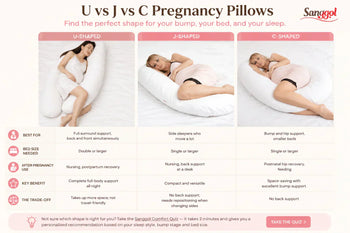
Explore our collection of Sanggol® U-, J- and C-shaped body pillows, designed to cradle your whole body so you can sleep more comfortably between feeds and long days.
In many African communities, babywearing remains a vital aspect of cultural identity. The practice is passed down through generations, with grandmothers, aunties and community elders teaching new parents how to position the cloth, tie secure knots and check for the baby’s comfort and safety. Each wrap, pattern and tying style can carry cultural meaning—linked to region, family, or stage of life.
This tradition nurtures the child and strengthens community bonds. Babywearing becomes a living link between past and present, between older generations and the next, and between everyday care and deeper cultural identity.
In recent years, there has been a global revival of interest in traditional babywearing, both within African countries and across the African diaspora in Europe and beyond. Parents across the UK, Ireland, mainland Europe, North America, Australia and other English-speaking regions are rediscovering the benefits of baby wraps and carriers, recognising their value for closeness, convenience and responsive parenting.
At the same time, important conversations are taking place about cultural appreciation and credit. Many parents, educators and babywearing consultants emphasise the need to acknowledge where these practices came from, and to avoid treating babywearing as a recent Western invention.
The migration of African families to Europe throughout the 20th and 21st centuries brought many treasured traditions with it—including babywearing. For African and Afro-diasporic communities living in cities across the UK, France, the Netherlands, Germany and beyond, wrapping a baby has never been “alternative”; it is a familiar, trusted way to hold and soothe a child.
In more recent decades, European midwives, doulas and parenting educators have increasingly embraced the wisdom of African babywearing practices. African-style wraps, often passed from grandmother to mother to daughter, became more visible on European streets and in playgrounds, prompting curiosity and conversations among other parents.
Some European parents began adopting soft fabric slings modelled on the pagne and kanga, appreciating both the physical closeness they promote and the bold, beautiful designs. Carrier brands created hybrid options that combine wrap-style fabric with buckled waistbands or padded straps, and many antenatal classes now include demonstrations on safe babywearing.
Importantly, many Black European mothers and caregivers have led the way in sharing and celebrating these practices—through social media, community workshops and peer-to-peer support. By teaching others how to wrap safely and confidently, they are helping to keep these skills alive while also shaping modern parenting in Europe.
Across Europe today, babywearing is not only accepted but often actively encouraged as part of gentle, responsive parenting. Yet for many African and Afro-diasporic families, it is more than a useful tool—it is part of a wider story of identity, resilience and continuity.
What once helped caregivers walk long distances to collect water or work the land while looking after their babies now helps parents navigate city streets, public transport, workplaces and busy homes. As awareness grows around cultural representation and credit, more people are choosing to learn about babywearing in ways that respect and acknowledge its African roots.
The tradition of babywearing in Africa is a testament to the ingenuity, care and community at the heart of many African societies. From the vibrant kangas of Kenya to the bold capulanas of Mozambique, each cloth and wrap-style tells a story—not only of parenthood, but of cultural identity, resilience and continuity.
As babywearing continues to spread across Europe and the wider world, it is worth remembering and honouring the traditions that made it possible. When we learn babywearing from its roots—with proper attention to safety, history and context—we are not just carrying our children. In a small but meaningful way, we are also carrying memory and connection across generations.
The African Tradition of Baby Wearing: Its Origins and Its Benefits
👉 Read here
If you’re looking for a simple, comfortable way to carry your baby close, explore our Sanggol® Baby Wrap Sling Carrier—a soft, supportive wrap suitable for everyday use with newborns and young babies.
Shop Baby Wrap Sling Carrier2 minutes · Personalised
Not sure which pillow shape suits you?
Answer 5 quick questions about your sleep style, bump stage and bed size — we'll match you to the right pillow.
Take the Comfort QuizU · J · C Shaped
Find the pillow designed for your body
Three shapes, each built for a different sleep style and support need. Free UK delivery and 24-month guarantee included.
Shop Body PillowsFree downloads
Free guides, checklists and sleep plans
Download our free Mum-to-Be hospital bag checklist, birth partner guide and 7-Day Sleep Plan — no purchase needed.
Get the Free GuidesWant to keep reading?
Browse all articles by topic