Is Stomach Sleeping Safe During Pregnancy?
|
|
Time to read 6 min
|
|
Time to read 6 min
Many mums-to-be wonder: “Can I still sleep on my stomach while pregnant?”
If you’ve always been a stomach sleeper, it may feel like the most natural and comfortable way to rest. The short answer is that stomach sleeping is generally safe in early pregnancy — but it becomes uncomfortable and impractical as your bump grows. If you’re already finding stomach sleeping uncomfortable, many people start looking for a pregnancy pillow or body pillow to help them transition more comfortably.
What changes isn’t just size. It’s pressure, comfort, and, later on, circulation — which is why most guidance shifts toward side sleeping as pregnancy progresses.
This guide explains what typically happens in each trimester, when to transition, and how to make side sleeping feel natural rather than forced. If you’re also getting discomfort once you switch, see our pillar guide: Neck and shoulder pain when side sleeping.
Stomach sleeping often feels grounding and secure. For some people it reduces snoring; for others it simply feels like the “default” position that helps them fall asleep faster — especially early in pregnancy.
During the first 12 weeks, your uterus remains small and protected within the pelvis. At this stage, sleeping on your stomach is generally safe.
That said, it can help to start getting used to side sleeping early — not because you have to, but because it becomes harder to adjust once your bump grows.
If switching positions feels unnatural, this step-by-step guide can help: How to train yourself to sleep on your side.
In early pregnancy, sleeping on your stomach does not harm your baby. Your uterus is still protected within your pelvis, and there is no evidence that this position causes problems at this stage.
Later in pregnancy, it becomes difficult to stay in this position for long. The growing bump creates pressure and discomfort, which naturally causes you to shift position — often without even realising it.
As pregnancy progresses, stomach sleeping usually stops being comfortable for two practical reasons:
1) Physical pressure increases.
Your bump grows beyond the protection of the pelvis. Lying face-down puts direct pressure through the abdomen and makes deep, relaxed breathing harder. For most people, it starts to feel awkward long before it feels dangerous.
2) Circulation matters more.
Later in pregnancy, positions that keep you flat and compressed for long periods can affect comfort and circulation. This is one reason guidance generally shifts toward side sleeping, often on the left side, as a safer default for many pregnant people.
Most people naturally stop sleeping on their stomach during the second trimester. This isn’t because it suddenly becomes dangerous, but because it becomes increasingly uncomfortable as your bump grows.
As your body changes, lying face-down starts to put pressure on your abdomen and makes it harder to relax fully. In most cases, your body will guide you to switch positions before it becomes a real issue.
Health authorities such as the NHS and ACOG generally recommend side sleeping from the second trimester onward, with the left side often suggested as a helpful default for circulation and comfort.
Back sleeping is also commonly discouraged later in pregnancy for circulation-related reasons. If you want the full explanation, see: Is Back Sleeping Safe During Pregnancy?
If you naturally love stomach sleeping, switching can feel frustrating. These alternatives mimic some of that front-sleeping comfort while keeping pressure off the abdomen:
If side sleeping starts to create aches in your hips, shoulders, or neck, this cluster guide explains why and what to adjust: Why side sleeping causes pain.
Habit change is often the real challenge. These steps help most stomach sleepers transition more comfortably:
A structured pregnancy pillow helps because it creates stability. The goal isn’t to trap you — it’s to make side sleeping feel supported so your body doesn’t keep searching for the old position.
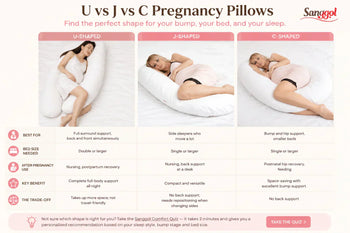
Explore our U-shaped pregnancy pillow collection for full-body support designed to help side sleeping feel stable.
Is stomach sleeping safe in early pregnancy?
Generally yes in the first trimester. Your uterus is still protected within the pelvis at this stage.
When should I stop stomach sleeping?
Most guidance recommends transitioning after the first trimester, as comfort and circulation considerations change.
Can stomach sleeping harm the baby?
Early on, there’s no evidence of harm. Later, it typically becomes too uncomfortable to maintain for long.
What if I wake up on my stomach?
Don’t panic. Roll onto your side and resettle. A stable pillow setup can reduce how often it happens.
Why does side sleeping start to hurt?
Usually because of alignment or pressure points. This guide explains what to adjust: Why side sleeping causes pain.
Stomach sleeping is generally safe early in pregnancy, but as your bump grows it becomes uncomfortable and is not typically recommended long-term. Side sleeping becomes the safer, more comfortable default for most people.
With gradual training and stable support, the transition can feel natural rather than forced. For extra help with side-sleep comfort and alignment, see How to train yourself to sleep on your side and our pillar on neck and shoulder pain when side sleeping.
Disclaimer: This article is for informational purposes only and is not a substitute for professional medical advice. Always consult your doctor or midwife for personalised guidance.
2 minutes · Personalised
Not sure which pillow shape suits you?
Answer 5 quick questions about your sleep style, bump stage and bed size — we'll match you to the right pillow.
Take the Comfort QuizU · J · C Shaped
Find the pillow designed for your body
Three shapes, each built for a different sleep style and support need. Free UK delivery and 24-month guarantee included.
Shop Body PillowsFree downloads
Free guides, checklists and sleep plans
Download our free Mum-to-Be hospital bag checklist, birth partner guide and 7-Day Sleep Plan — no purchase needed.
Get the Free GuidesWant to keep reading?
Browse all articles by topic