Fibromyalgia: Finding Comfort and Wellness
|
|
Time to read 7 min
|
|
Time to read 7 min
Living with fibromyalgia can feel like a daily tug-of-war. Widespread aches, fatigue, sensitive sleep, and “fibro fog” make routines harder than they should be. While there’s no single fix, thoughtful fibromyalgia management — especially around sleep comfort, pacing, and gentle routines — can bring steadier energy and greater ease.
Many people find that living better with fibromyalgia is less about doing everything perfectly and more about reducing the repeated stress points that make each day feel harder. Small changes in pacing, comfort, sleep setup, and recovery habits can build into a routine that feels more manageable over time.
Disclaimer: This article shares comfort-focused ideas for living with fibromyalgia. It isn’t medical advice. For diagnosis or personalised care, please speak to your GP or specialist team.
Table of Contents
If you want the quick version first, these are some of the most useful comfort ideas many people return to again and again.
While fibromyalgia affects everyone differently, many people find that small adjustments to daily routines gradually make life more manageable. Comfort often improves not from one dramatic change, but from a series of smaller supportive habits — pacing activities, improving sleep setup, managing temperature and texture, and protecting energy throughout the day. Over time, these adjustments can help reduce the strain that builds across busy days and sensitive nights.
Fibromyalgia is a long-term condition that changes how the nervous system processes pain and sensory signals. Common experiences include muscle tenderness, cognitive dips, non-restorative sleep, and fluctuating sensitivity to touch or temperature. Diagnosis usually relies on symptom patterns and ruling out other conditions — there isn’t a single test that confirms it.
That uncertainty can be part of what makes fibromyalgia so difficult. Symptoms may vary from day to day, which can make planning, working, resting, and even explaining how you feel more challenging than people realise. Some days may feel manageable, while others feel unexpectedly heavier, even without an obvious cause.
Care plans are individual and may combine lifestyle adjustments, supportive routines, and clinician-guided options. A clear overview is available via the NHS guide to fibromyalgia.
Low-impact movement (walking, yoga, swimming, stretching) can help mobility and mood. Pacing is key: use shorter activity blocks with built-in recovery to prevent “push-crash” cycles that amplify fatigue. Try a simple template: 20 minutes activity → 5 minutes rest → repeat twice, then a longer break.
The goal is not to do less for the sake of it. It is to spread effort more evenly, so your body is not constantly paying for one demanding hour with the rest of the day. Many people find that a steadier rhythm leaves them with more reliable energy overall.
A balanced diet (fruit, vegetables, whole grains, lean proteins) and steady hydration may support overall wellbeing. Keep evenings calm: dim lights, reduce late caffeine, and build a short wind-down ritual (two consistent steps are enough). Pair this with a sleep-friendly bedroom setup and light relaxation exercises.
It also helps to reduce the number of decisions you need to make late in the evening. A simple repeated routine often works better than an ideal plan that is too hard to maintain. The more automatic your evening setup becomes, the easier it may be for your body to begin settling.
Positioning is critical when sensitivity is high. A body pillow for fibromyalgia can stack hips and shoulders, reduce twisting, and help you settle sooner. Think of the pillow as a bridge that brings the mattress up to meet you, so your body stops “holding itself up”.
Comfort often improves when several small support points work together rather than relying on a single pillow alone. Supporting the neck, knees, shoulders, and waist more evenly can reduce the tiny compensations that build into restless nights.
For more setup ideas, see our full guide: Fibromyalgia & Sleep Comfort Complete Guide. You may also find our pillar article useful: How to Use Body Pillows for Fibromyalgia Support.
Small environment tweaks reduce wake-ups from heat, chills, or scratchy textures — common irritants on sensitive nights.
These details can seem minor until they repeatedly disturb sleep. When sensitivity is already high, avoiding scratchy fabrics, overheating, or abrupt wake-ups can make a noticeable difference to how the night feels overall.
Many people find it helpful to think in “energy tokens.” Assign rough values to tasks (for example, shower = 2, commute = 3, 30-minute walk = 2) and spend them across the day. Protect two non-negotiables: a short mid-day reset and an earlier wind-down window. This steadier cadence can reduce flare risk and make nights calmer.
Energy budgeting is not about becoming rigid. It is about making your day more predictable, so you are not repeatedly caught out by fatigue. Even a rough mental plan can help you decide where to spend your effort and where to deliberately make things easier.
One of the hardest parts of fibromyalgia is that fatigue and discomfort often arrive after the effort, not during it. Short planned pauses can be more effective than waiting until you are already depleted. A two-minute stretch, a quieter lunch break, or ten minutes with your eyes closed may not feel dramatic, but they can help reduce the build-up that makes evenings harder.
Choose pillows with resilient fill that rebounds after compression, smooth seams and zips, and removable washable covers. Weekly fluffing and rotation help keep support even. If areas sag, redistribute filling and check casing tension. For shape refreshers, see how to reshape your body pillow.
Keeping a spare cover in the drawer also makes late-night swaps simpler when spills or warm nights happen. Long-term comfort matters because a pillow that works well for one week but quickly flattens can leave you back at the beginning.
Travel: Pack a compact J-shape or small knee pillow, plus your favourite pillowcase. Familiar texture can help when the environment changes.
Work: A thin cushion behind the mid-back, feet flat, shoulders soft. Schedule a 3-minute stretch or breathing break every 60–90 minutes to reduce build-up before bed.
Plan B nights: Keep a lightweight throw and spare pillowcase beside the bed. If you wake warm or uncomfortable, you can swap layers and reset without fully waking.
These backup strategies matter because comfort is rarely perfect every night. Having a Plan B ready means you do not have to solve the problem half-awake. It turns a disrupted night into a simpler reset.
For related reading, you may also find these helpful: Fibromyalgia Pillow Tips for Better Rest and Fibromyalgia – 7 Frequently Asked Questions Answered.
It can support gentler positioning by aligning hips, knees, and shoulders, easing pressure points and reducing fidgeting. It doesn’t replace medical care — it’s a comfort tool that works alongside your routines.
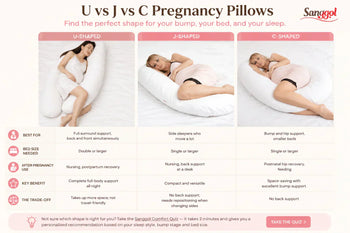
U-shape gives full wraparound support with no need to flip. J-shape is compact, cooler, and more targeted. C-shape balances front and back support while letting you keep your usual head pillow. Choose based on bed size and temperature preference.
In your sleep position, your neck should align with your spine without tilting up or down. Side sleepers usually need more loft than back sleepers. Adjustable-fill pillows make seasonal tweaks easier.
Not necessarily. Breathable covers and layered bedding can help manage temperature. J-shaped pillows often feel cooler because they allow more airflow and are easier to reposition.
If pain, sleep disruption, or low mood persist or escalate, speak to your GP or specialist team. For an overview of care pathways, see the NHS fibromyalgia overview.
Blog Post by Sanggol Blogs | Sanggolcomfort.com. Sanggol are manufacturers and retailers of U Body Pillows | J Body Pillows | C-shaped Body Pillow.
2 minutes · Personalised
Not sure which pillow shape suits you?
Answer 5 quick questions about your sleep style, bump stage and bed size — we'll match you to the right pillow.
Take the Comfort QuizU · J · C Shaped
Find the pillow designed for your body
Three shapes, each built for a different sleep style and support need. Free UK delivery and 24-month guarantee included.
Shop Body PillowsFree downloads
Free guides, checklists and sleep plans
Download our free Mum-to-Be hospital bag checklist, birth partner guide and 7-Day Sleep Plan — no purchase needed.
Get the Free GuidesWant to keep reading?
Browse all articles by topic