Fibromyalgia | How Pillows Can Support Everyday Comfort
|
|
Time to read 2 min
|
|
Time to read 2 min
Living with fibromyalgia often means nights that feel longer and more restless than they should. While there isn’t a single solution, small adjustments in your comfort setup can sometimes make everyday rest feel easier. One simple change many people explore is improving their pillow support. The right combination of pillows can help the body relax more naturally and reduce the need for constant repositioning during the night.
Fibromyalgia can heighten sensitivity to pressure, posture changes, and temperature shifts. If one shoulder or hip carries too much weight during rest, the body may compensate in ways that lead to fidgeting or lighter sleep. Supportive pillows can help by filling small gaps between the body and mattress so that pressure spreads more evenly.
For medical information about fibromyalgia, see the NHS overview.
Comfort preferences vary from person to person, so many people experiment with different pillow styles until they find what feels right.
These pillows adapt to the shape of the head and neck, distributing weight more evenly and cushioning pressure points.
Made with synthetic fibres, these pillows provide a softer feel while still offering gentle support.
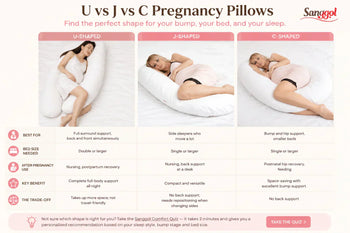
Longer pillows can support several parts of the body at once. When placed between the knees or hugged during rest, they may help reduce pressure on the hips, shoulders, and lower back.
Pillow height can influence comfort more than many people realise. A pillow that is too high may tilt the neck upward, while one that is too low may allow it to drop downward. Ideally, the neck should remain aligned with the spine when resting.
Firmness also affects comfort. Some people prefer firmer pillows that hold their shape, while others prefer softer pillows that compress easily. Adjustable pillows allow you to experiment with different levels of support.
Pillows can also support comfort during the day. Many people keep one nearby for:
Using supportive pillows during the day may help reduce tension before bedtime.
Travel can disrupt normal sleep routines, but a few small adjustments may help:
Pillows will not cure fibromyalgia, but they can help create a more supportive rest environment. Finding the right combination of height, firmness, and positioning often takes experimentation. Over time, even small adjustments can make everyday comfort easier to maintain.
2 minutes · Personalised
Not sure which pillow shape suits you?
Answer 5 quick questions about your sleep style, bump stage and bed size — we'll match you to the right pillow.
Take the Comfort QuizU · J · C Shaped
Find the pillow designed for your body
Three shapes, each built for a different sleep style and support need. Free UK delivery and 24-month guarantee included.
Shop Body PillowsFree downloads
Free guides, checklists and sleep plans
Download our free Mum-to-Be hospital bag checklist, birth partner guide and 7-Day Sleep Plan — no purchase needed.
Get the Free GuidesWant to keep reading?
Browse all articles by topic